The end of the Sora product is not the end of AI video
Sora became a symbol before becoming a mature infrastructure. When OpenAI introduced the Sora 2 in September 2025, the message was ambitious: AI-generated video and audio could now begin to behave like simulations of the physical world, with more coherent movement, synchronized sound and greater scene control. In 2026, however, the official page itself started to inform that the Sora product is no longer available since April 26, 2026.
This doesn't mean AI video is over. It means something more interesting: the market has discovered that generating beautiful scenes is just the first layer of the problem. Transforming this type of model into a reliable, safe, cheap and useful product for companies is another story.
The difference between demo and product
The Sora 2 impressed because it showed progress in visual physics. OpenAI cited examples of previous models that warped reality to fulfill the prompt, such as balls that "teleported" to the basket. Sora 2 promised to better handle failures, continuity, and world states. This capability is important for entertainment, advertising, education and, in the longer term, robotics and simulation.
But a generative video product doesn't just live on visual quality. It needs to moderate content, protect identity, deal with copyright, prevent abuse of personal image, control generation costs, store large files, and explain what happens when someone creates misleading content.
With text, a problematic response can be quickly revised. With video, the emotional impact is greater. A fake scene can look like proof. A cloned voice can sound like consent. A face inserted in another context can destroy reputations. Therefore, the maturity of AI video depends on both governance and realism.
What Sora Recoil Teaches
The unavailability of the Sora product shows that not every cutting-edge technology immediately finds the right distribution format. An AI-generated video social app needs to compete for attention without encouraging addictive use. A professional API needs to deliver predictability, control, clear boundaries, synthetic content marking and integration with editing flows.
These two missions are different. Creators want visual freedom. Companies want consistency. Educators want clarity. Platforms want security. Developers want price, latency and documentation. It's possible that the future of Sora will be less of an isolated application and more of a technical layer within larger tools.
OpenAI has previously indicated plans to bring Sora 2 to API, and the model's documentation shows that the path for developers remains relevant. The question now is how this access will be packaged, with what restrictions and for what use cases.
Why this matters for creators
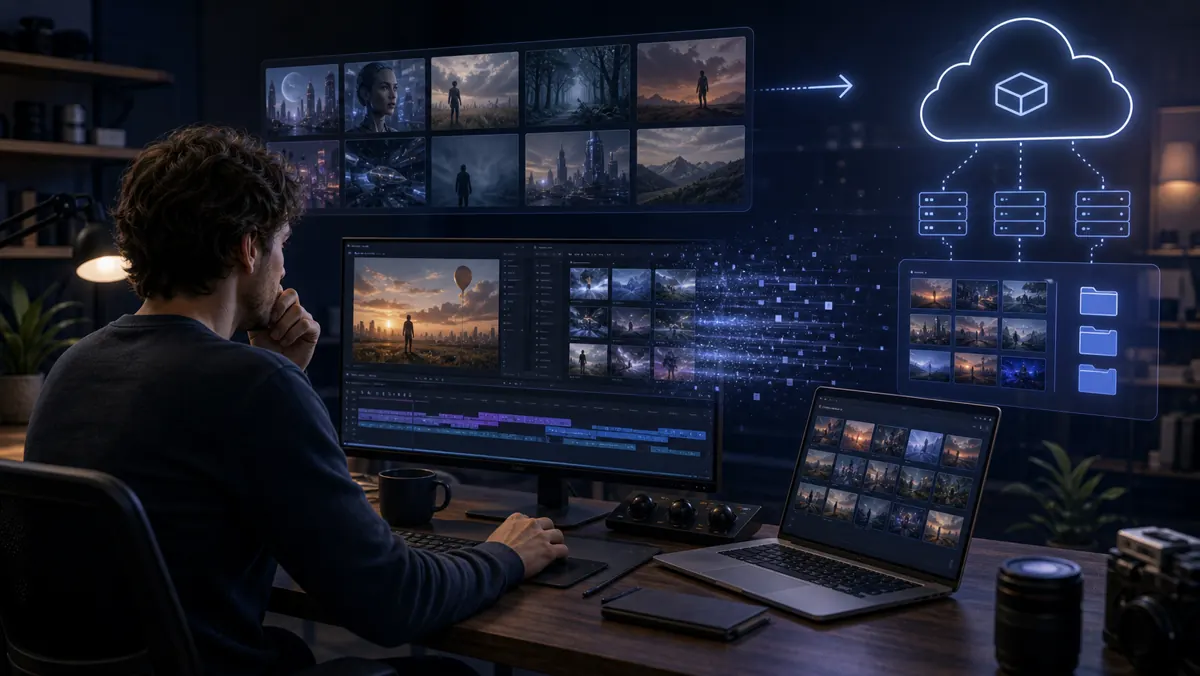
For those who work with content, the lesson is clear: AI video should not be treated as a magical shortcut. It is a new form of direction. The professional who stands out is not just the one who writes prompts, but who knows how to construct scenes, review continuity, assess rights risks, adjust narrative and combine generation with human editing.
The future of the creator will be more like a director of small synthetic studios. He describes the scene, chooses framing, reviews versions, corrects inconsistencies and decides what deserves to be published. The curiosity is right there: when anyone can generate video, the difference will once again be intention.
The likely future
Generative video must continue to advance on three fronts. The first is quality: more stable models, with consistent characters and greater temporal control. The second is integration: generation within publishers, educational apps, marketing tools and corporate systems. The third is trust: media tagging, image consent, transparent logs and policies.
The "end" of the Sora product is therefore not an end point. It's a phase change. The industry has moved beyond its initial enchantment and into the difficult question: what kind of media infrastructure do we want to enable in the world?
This question is bigger than OpenAI. It defines how we will see videos, tests, advertising, teaching and digital memory in the coming years.
What to watch now
The next important signal will be how AI video tools handle human review. A good system shouldn't just generate clips; it must allow versioning, cutting, reuse of characters, style control, indication of synthetic content and blocking of sensitive uses. The more professional the use case, the less tolerance there is for surprise.
For small teams, the recommendation is to start with storyboards, internal classes and visual prototypes. These are areas where AI saves time without putting public reputation at immediate risk.
Sources
- https://openai.com/index/sora-2/
- https://cdn.openai.com/pdf/50d5973c-c4ff-4c2d-986f-c72b5d0ff069/sora_2_system_card.pdf
- https://platform.openai.com/docs/models/sora-2