Apple, AI and wearables: glasses, AirPods with camera and the next field of ambient computing
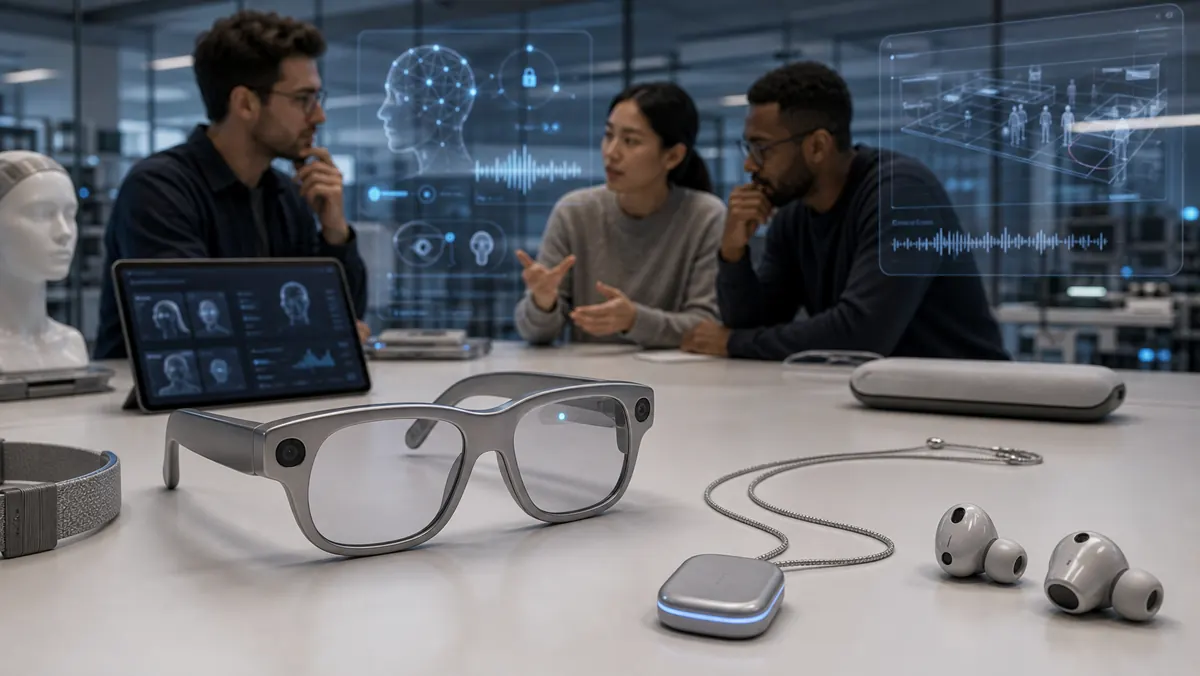
Apple's next big fight may not be in a new iPhone format, but in smaller objects: glasses, AirPods with camera, sensors and assistants capable of understanding context. There is still no "Apple Glass" confirmed as a public product. What exists is a sequence of signals: Vision Pro as a space platform, Apple Intelligence as an AI layer, and persistent rumors about lighter wearables.
The most interesting point is the direction. Computing is trying to move away from the main screen and into the environment. A wearable with a camera, microphone, sensors and local AI can recognize objects, translate scenes, help with accessibility, record tasks and answer questions with visual context. This is powerful and delicate.
What is fact and what is rumor
Fact: Apple has already put spatial computing on the market with the Vision Pro and integrated Apple Intelligence into the iPhone, iPad and Mac. Fact: the company invests in its own chips and privacy as differentiators. Rumor: lightweight glasses, AirPods with camera and ambient AI devices still depend on reports from the specialized press, not an official announcement.
This distinction matters because the market tends to transform rumors into certainty. A product of this type needs to resolve battery, comfort, privacy, cost, local processing and social acceptance. It’s not enough to put AI into an object. The object must disappear in use.
Why this matters
AI-powered wearables can change accessibility and productivity. A person with low vision could receive a description of the environment. A student could identify objects, translate signs or record notes by voice. A professional could consult information while working hands-free.
But the privacy risk is proportional. Cameras in glasses or headphones create discomfort if people around them don't know when they are being captured. Apple, if it enters this space, will have to turn privacy into visible design: clear indicators, local processing, granular permissions, and strong limits.
The future it anticipates
Ambient computing will be won by those who can balance utility and trust. Devices that appear to be surveillance will not be accepted. Devices that help without intruding could open up a new market.
The next leap will not be “a cell phone in the face”. You will be an assistant who understands context, but respects limits. If Apple can do this with comfortable hardware, local AI and a well-integrated ecosystem, wearables could stop being accessories and become the next main interface.
What to watch now
It is worth monitoring patents, hirings, VisionOS improvements, Apple Intelligence evolution and reports from suppliers. The final product may take time, change format or never arrive as "glasses". Still, the direction is clear: AI wants sensors, and sensors need trust.
Practical impact
For developers, AI wearables change the type of application. The interface will not be just touch or typing. It will be voice, gesture, visual context and environmental signals. This requires more discreet apps, less screen-dependent and more attentive to permissions. A good app for glasses or smart phones should help without interrupting.
For users, the value will appear in small tasks. Find an object, remember an instruction, translate a conversation, identify a plant, describe a street or record an idea without picking up your cell phone. Technology will only be accepted if these aids are quick and clearly controllable.
The ethical question
The great frontier is not technical, it is social. Who is being captured? How to notify? Where does the data reside? How to delete? AI wearables can improve accessibility and productivity, but they can also normalize constant recording. Apple usually sells privacy as a differentiator. If it enters this market, it will have to prove that sensors and trust can coexist.
What to watch now
The strongest signal will be miniaturization. As long as the experience requires a heavy, expensive, or socially awkward device, it will be niche. Once the camera, audio, battery, and local AI all fit together comfortably, ambient computing truly begins.
Closing
The point for the reader is not to confuse format with revolution. Glasses, headphones or pendants only matter if they solve a concrete need better than a smartphone. Apple has an advantage in integrating hardware, software and privacy, but it will have to overcome a cultural barrier: convincing people that an always-present device can help without transforming the environment into permanent collection. This trust will be the real product.
Sources
- https://www.apple.com/apple-intelligence/
- https://www.apple.com/apple-vision-pro/
- https://www.macrumors.com/2026/04/13/apple-ai-smart-glasses-camera-airpods/