Adobe Bolsters Video with AI at NAB 2026 and Unites Firefly, Premiere, and Frame.io into a More Seamless Stream
At NAB 2026, Adobe organized its video storytelling around a simple idea: reduce the distance between generating, editing, coloring, and delivering. The update changes less with an isolated tool and more with the continuity of the flow between Firefly, Premiere, After Effects and Frame.io.
The main reference for the article was published on April 15, 2026, in the official text Adobe extends leadership in video: unleashing new AI-powered creation in Firefly, reinventing color for editors in Premiere. This helps to better separate what is a confirmed announcement from what is still a market projection.
What was announced
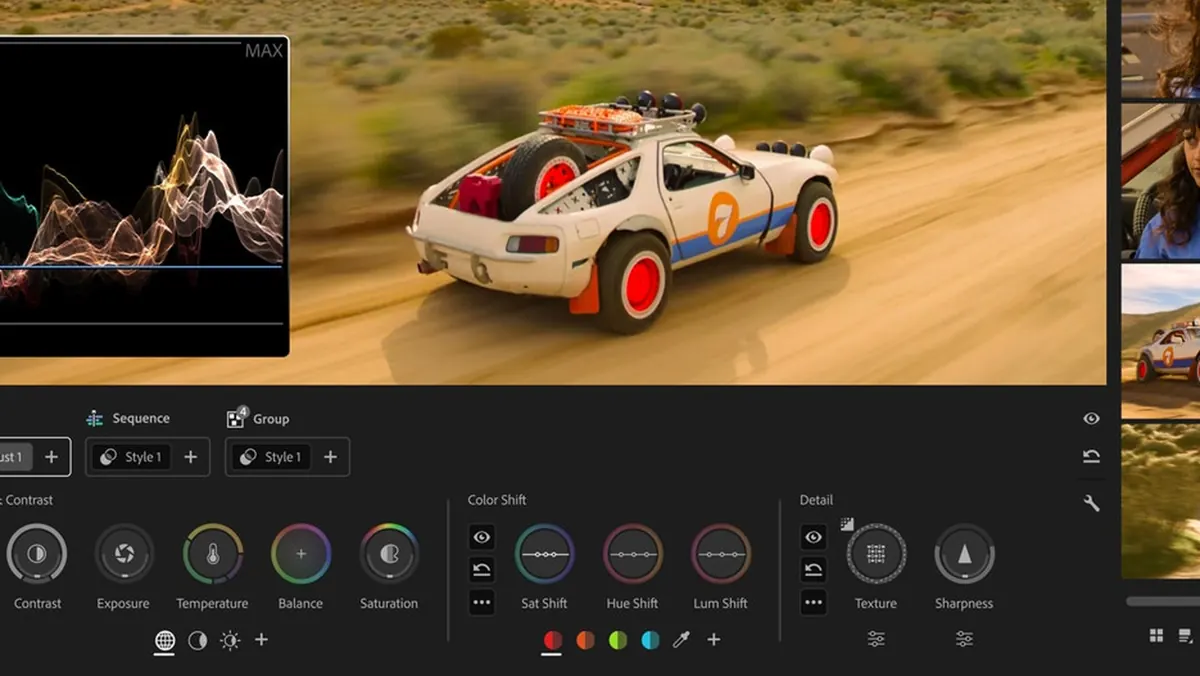
The package includes audio improvements in the Firefly Video Editor, direct integration with Adobe Stock, entry of the Kling 3.0 and Kling 3.0 Omni models into the Firefly, new Color Mode in beta in the Premiere, the Frame.io Drive desktop app and new masking features in After Effects. The message is clear: AI must accelerate the entire pipeline, not just the generation stage.
Why this matters now
This repositions Firefly as an assembly point and not just an experimentation point. By combining generation, textual editing, color control, licensed assets and exchange with Premiere, Adobe is trying to capture the phase where creators need to get out of playing with AI and reach a professional standard of delivery.
In a market that has already left the curiosity phase and entered the budget, operations and governance phase, announcements like this are important because they change the way companies, technical teams and creators choose platforms, integrate tools and define acceptable risk.
What this can change in practice
- Brings generation, editing, color, audio and review closer to the same production flow.
- Helps distributed teams move assets between Firefly, Premiere, After Effects, and Frame.io with less friction.
- Moves AI video contention out of the experimental clip and into the professional pipeline.
What to watch out for in the coming weeks
The big thermometer will be adoption by publishers and distributed teams. The more AI-created material can enter the traditional workflow without friction, the greater the chance that Firefly will no longer be seen as a laboratory and become an everyday production tool.
The technique behind
Video is more difficult than image because coherence needs to survive time. A good system cannot just generate beautiful frames; it needs to preserve movement, color, continuity, audio, asset rights and delivery formats. When Adobe talks about integrating Firefly, Premiere, After Effects and Frame.io, it is trying to solve the very point where many AI tools break down: the transition between experimentation and final editing.
The new Color Mode in beta is also symbolic. Color is language, not finish. In professional productions, it defines atmosphere, brand and narrative. If AI helps accelerate correction, comparison and consistency, the editor gains speed without losing judgment. The challenge is doing this with clear controls, because an automatic adjustment can improve one scene and destroy the visual intent of another.
The future it anticipates
The trend is for post-production to become an environment increasingly assisted by agents. An editor will be able to request alternative versions, remove obstacles, test tracks, organize cuts, review subtitles, and prepare deliveries for multiple channels without leaving the main flow. The human function migrates to curation, narrative and aesthetic decision.
This doesn't make production simpler; makes it faster and more demanding. If any team manages to generate material, the difference becomes direction, coherence and taste. Adobe appears to be betting that professional creators don't want to abandon their tools, but want them to understand intent with fewer clicks. The future of AI video may not be about replacing the Premiere with a prompt, but rather about turning the Premiere into a smarter console.
What to watch now
It is worth monitoring whether the external models integrated with Firefly maintain commercial security, visual consistency and ease of licensing. The creative market will accept AI in production when it knows where the asset came from, how it can be used and how to correct the result without losing the project.
Sources
- https://blog.adobe.com/en/publish/2026/04/15/adobe-extends-leadership-video-unleashing-new-ai-powered-creation-firefly-reinventing-color-editors-in-premiere